
Genesis Brake Pads vs. Rotors: How Do You Know Which Need Replacing?
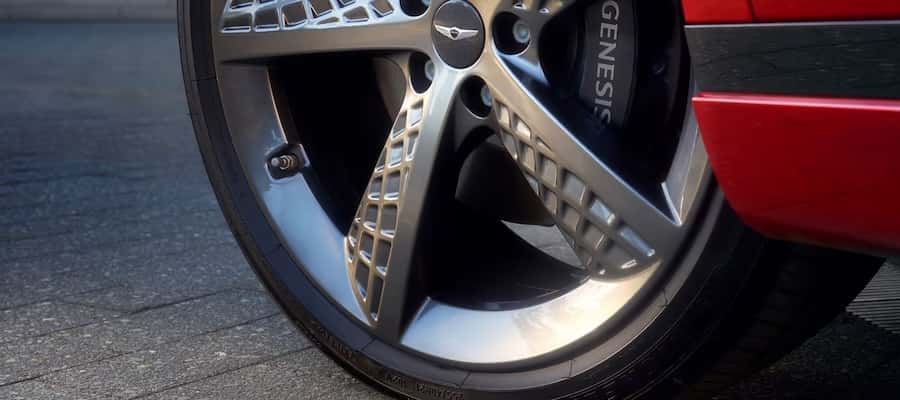
You can tell your Genesis needs new brake pads when friction material wears down to 3 millimeters or high-pitched squealing occurs, whereas damaged brake rotors reveal themselves through brake pedal pulsation, steering wheel vibration, deep surface scoring, or a heavy grinding noise. Pads wear out faster as sacrificial friction components, while rotors require service when thermal stress or material loss exceeds factory safety tolerances.
Distinguishing between pad wear and rotor degradation comes down to physical measurements and active driving symptoms. During scheduled routine service, technicians measure remaining friction material thickness across all four wheel assemblies. While visual checks during tire rotations offer a quick glance, precise caliper measurements reveal exact wear rates. When brake pad friction material drops below 3 millimeters, immediate replacement is recommended to preserve stopping performance and prevent iron backing plates from making direct contact with the disc face.
Rotors undergo a different evaluation process. Beyond visual inspection for heat checking, rust ridges, or structural grooves, technicians measure disc thickness with a micrometer and check for lateral runout. Even if a pad still has friction material remaining, a rotor worn beneath its specified discard thickness or exhibiting thickness variation must be addressed. Drivers maneuvering through daily traffic in Delray Beach encounter flat coastal terrain and stop-and-go driving patterns that place steady thermal demands on the braking assembly. If you notice delayed pedal response, extended stopping distances, or abnormal sounds, give our service team a quick call or navigate to our service facility for a comprehensive brake inspection.
What Noises and Vibrations Distinguish Worn Genesis Brake Pads From Damaged Rotors?
High-pitched metallic squealing indicates that brake pads have reached their built-in mechanical wear indicators, while rhythmic brake pedal pulsation and deep grinding sounds signify rotor surface damage or lateral thickness variation. Identifying these distinct acoustic and tactile signals prevents minor pad wear from escalating into severe rotor deterioration.
Brake pad wear mechanisms are engineered to alert drivers before structural damage occurs. Most original equipment friction pads incorporate small metallic tab indicators. As friction material wears thin, these metal tabs contact the spinning rotor, emitting a distinctive high-frequency squeal whenever you apply pedal pressure. Modern luxury models may also feature electronic wear sensors that illuminate a warning message on the digital instrument cluster when pad depth reaches critical thresholds. If squealing is ignored and pads wear completely down to their metal backing plates, the sound transitions into a harsh, metallic grinding noise that aggressively carves gouges into the rotor face.
Rotor problems produce tactile sensations throughout the vehicle rather than just squealing sounds. When rotors experience severe temperature spikes, the metal can warp or develop irregular friction material deposits, resulting in lateral thickness variation. As the brake pads clamp onto an unevenly thick rotor, the variations push back through the hydraulic fluid, creating a steady pulsation in the brake pedal. When front rotors are affected, this vibration travels up the steering column, causing the steering wheel to shake during moderate to hard deceleration. If you feel rapid shuddering in the seat or pedal while slowing from highway speeds, the rotors require professional evaluation.
| Symptom | Primary Cause | Affected Component | Recommended Action |
|---|---|---|---|
| High-pitched squeal during braking | Wear indicator tab contacting rotor | Brake Pads | Inspect and replace brake pads |
| Steering wheel shake while slowing | Lateral thickness variation or warping | Front Rotors | Inspect, measure, and resurface or replace front rotors |
| Brake pedal pulsation | Irregular rotor surface thickness | Rear or Front Rotors | Measure rotor thickness and runout |
| Deep metallic grinding noise | Friction material depleted; metal-on-metal | Pads & Rotors | Replace brake pads and replace damaged rotors |
Can Warped Genesis Brake Rotors Be Resurfaced or Turned?
Genesis brake rotors can be resurfaced or turned only if the final material thickness after lathe machining remains strictly above the minimum discard thickness specification stamped on the rotor housing. If a rotor has suffered deep heat checking, severe lateral warping, or micro-cracking from thermal shock, complete rotor replacement is required to maintain vehicle safety.
Rotor resurfacing—often referred to as turning—uses a precision metal lathe to shave away a thin layer of the rotor’s cast iron face. This process removes light scoring, minor rust ridges, and superficial pad material buildup, restoring a flat, smooth mating surface for new brake pads. However, machining permanently removes metal from the disc. Every rotor has a mandatory minimum thickness cast into its hub assembly. If turning a rotor reduces its thickness below this safety limit, the component loses its ability to store and dissipate heat effectively.
Modern high-performance luxury vehicles utilize rotors designed with tight mass tolerances to minimize unsprung weight. Machining an already thin rotor increases the risk of rapid heat buildup, accelerated wear, and structural failure under hard braking. Furthermore, resurfacing cannot fix deep thermal cracks or internal stress fractures caused by severe overheating. If rotor runout exceeds 0.004 inches or if rust has compromised the internal cooling vanes, installing factory-fresh replacement discs is the only way to ensure factory-level stopping performance and structural integrity.
How Do Genesis Brembo and Performance Braking Systems Impact Wear and Component Life?
Genesis performance models equipped with high-output powertrains and upgraded brake packages utilize larger disc diameters and aggressive friction compounds that deliver superior stopping power at the trade-off of accelerated pad wear. Premium components like monobloc Brembo multi-piston calipers distribute clamping force evenly but demand exact pad-to-rotor contact tolerances during maintenance.
Vehicles built for high dynamic capability feature heavy-duty braking hardware to handle significant kinetic energy. For instance, the 2026 Genesis GV70 3.5T Sport Prestige features standard all-wheel drive and upgraded 14.8-inch front rotors paired with fixed multi-piston calipers. These fixed calipers press pads against both sides of the rotor simultaneously, providing exceptional pedal feel and immediate initial bite. However, the high-friction pad formulations required for high-speed thermal stability tend to wear down faster than conventional ceramic pads used on entry-level commuters.
Performance brake rotors often incorporate dual-material construction or directional internal ventilation vanes designed to pump hot air away from the wheel hub during aggressive driving. Because these high-performance rotors operate under higher thermal stress, replacing friction components with matching factory parts is vital. Using lower-grade aftermarket pads on high-performance calipers can cause uneven pad transfer, brake squeal, and premature rotor scarring. When performing brake service on performance trim levels, drivers can order genuine Genesis parts engineered specifically for their vehicle’s exact caliper and rotor specs.
How Many Miles Do Genesis Brake Pads and Rotors Last in Coastal South Florida?
Genesis brake pads generally last between 30,000 and 70,000 miles, while brake rotors typically endure 50,000 to 70,000 miles, often lasting through two sets of replacement pads under standard driving conditions. Operating a vehicle near Delray Beach introduces humid salt air and frequent stop-and-go coastal traffic, which can cause surface oxidation and speed up friction material consumption.
Component longevity depends heavily on vehicle mass, driving environment, and personal braking habits. Larger luxury utility models carrying higher curb weight place greater mechanical demand on friction surfaces during deceleration. A three-row 2026 Genesis GV80 3.5T Prestige featuring a 6,000-lb towing capacity and all-wheel drive will naturally experience faster friction wear when frequently loaded with passengers or cargo compared to a lightweight luxury sedan.
Local environmental factors also play an active role in component degradation:
- Salt Air Oxidation: Airborne moisture near coastal beach areas accelerates rust formation on iron rotor faces during overnight parking, causing initial abrasive pad scraping upon morning startup.
- Urban Stop-and-Go Traffic: Frequent braking along busy thoroughfares like Atlantic Avenue prevents brake assemblies from cooling completely between stops, maintaining elevated operating temperatures.
- Subtropical Rain Cycles: Heavy summer downpours flash-cool hot brake discs, increasing the potential for thermal shock and surface micro-cracking over time.
Regular inspection during routine oil changes ensures that coastal surface corrosion and urban wear patterns are identified before they damage surrounding hardware.
Common Questions About Genesis Brake Maintenance
Q: Can you replace Genesis brake pads without replacing the rotors?
Yes, you can replace brake pads without replacing rotors provided the rotor surface is smooth, free of deep scoring or heat cracks, and measures safely above the minimum specification limit. Technicians measure micro-thickness at multiple points on each wheel to ensure existing rotors can handle a new set of pads without causing premature wear.
Q: What causes Genesis brake rotors to warp or vibrate?
Brake rotor warping—technically known as lateral thickness variation—is primarily caused by extreme thermal stress. Hard braking generates intense heat, and if hot pads remain clamped against a stationary rotor after a rapid stop, uneven cooling creates localized hot spots and surface irregularities that register as pedal pulsation.
Q: How does Genesis electronic pad wear monitoring work?
Advanced luxury vehicles use embedded electronic wear sensors mounted inside the pad material. When the friction material degrades to a critical threshold, the sensor circuit completes or breaks, illuminating an alert in the digital instrument cluster before mechanical damage occurs to the rotor face.
Q: Why do new brake pads require a bedding-in process?
Bedding-in transfers a microscopic, uniform layer of friction material from the new pads onto the rotor face. Executing controlled deceleration cycles beds the mating surfaces together, eliminating high spots, reducing brake squeal, and maximizing initial stopping bite for smooth pedal response. You can learn more about us and our certified service standards before bringing your vehicle in for maintenance.
Q: How often should Genesis brake fluid be inspected alongside pads and rotors?
Brake fluid should be tested for moisture content during every major brake service or roughly every 24,000 miles. Because brake fluid is hygroscopic, it absorbs moisture over time, lowering its boiling point and creating a soft, spongy pedal feel under heavy braking. To keep your hydraulic system operating properly, schedule your service today with our factory-trained team.
Schedule Factory-Certified Genesis Brake Maintenance
Ensuring your vehicle stops with uncompromised precision requires matching genuine friction components with certified technical expertise. Our factory-trained service team performs comprehensive digital measurements of pad depth and rotor runout to deliver reliable stopping power on every drive.
Whether your vehicle requires a simple brake pad replacement, rotor thickness measurement, or complete performance brake servicing, our team uses specialized equipment calibrated to exact factory specifications. Contact our service advisors by phone at (561) 265-0000 to discuss your vehicle’s current symptoms, or visit our service center at 655 Ne 6th Ave, Delray Beach, FL 33483 to ensure your braking system remains in peak operating condition.
Prices and MSRP referenced in this article are estimates for informational purposes only and do not constitute an offer to sell. See dealer for complete details.
Fuel economy estimates shown may differ from official EPA ratings and should not be relied upon as a guarantee of actual vehicle performance.
0 comment(s) so far on Genesis Brake Pads vs. Rotors: How Do You Know Which Need Replacing?